Custom product pages are one of the most underused features of the App Store. Most apps send every visitor to the same product page, no matter who they are or which ad brought them there. Apple gives you a way to do better, and very few teams take advantage of it.
What custom product pages are
A custom product page is a variation of your App Store product page. Each version can have its own screenshots, app preview videos, promotional text, and keywords. Your app name and icon stay the same, but the story you tell on the page can change for each audience.
They are easy to set up
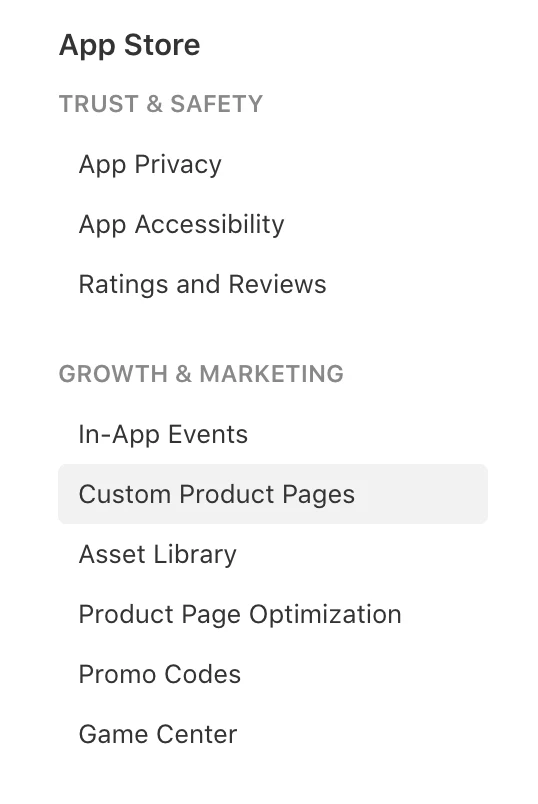
You create them in App Store Connect. Open your app, and you will find Custom Product Pages in the left navigation.
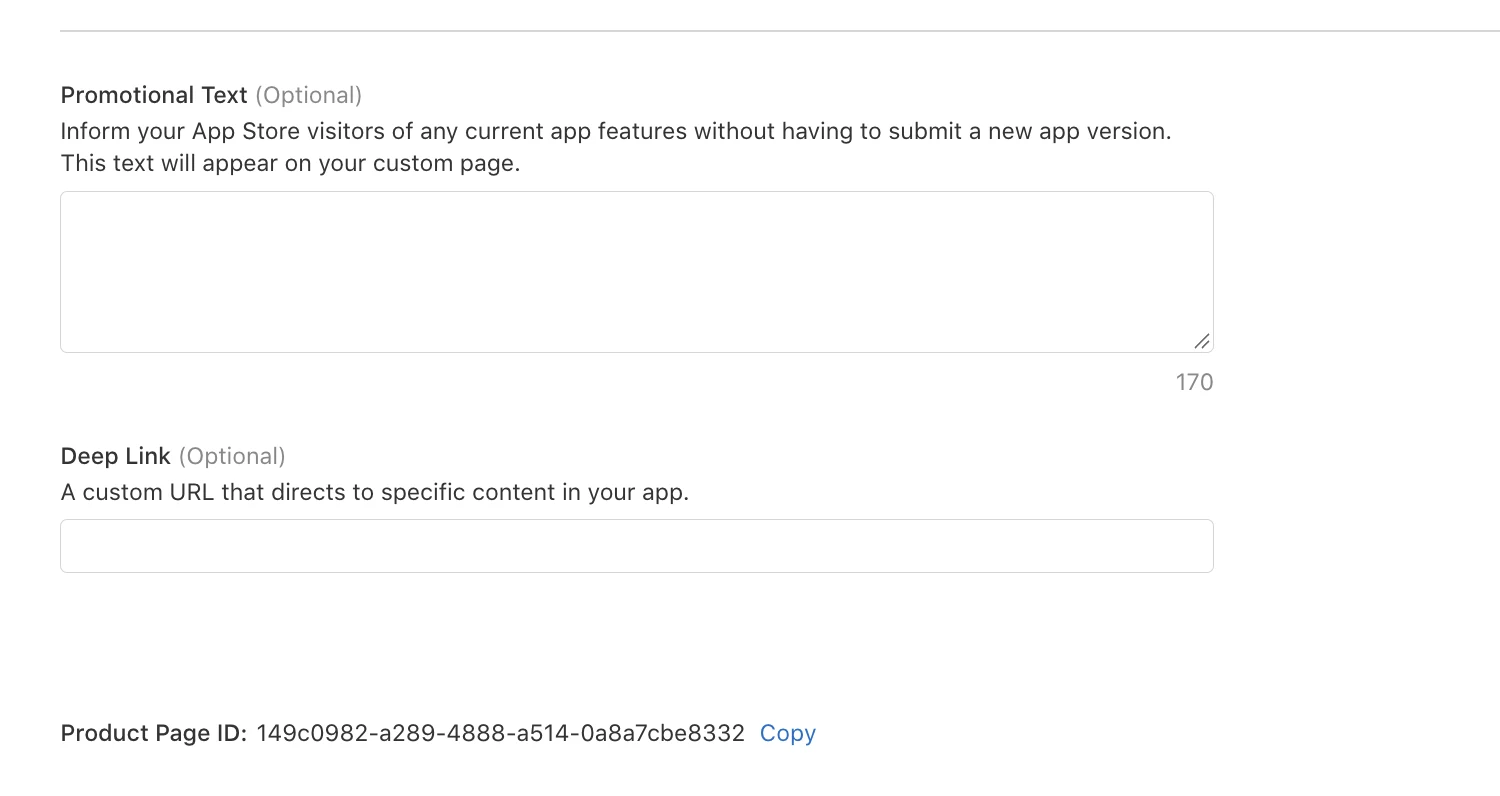
When you click in, you will see an editing experience that looks very similar to the one you use for your main product page.
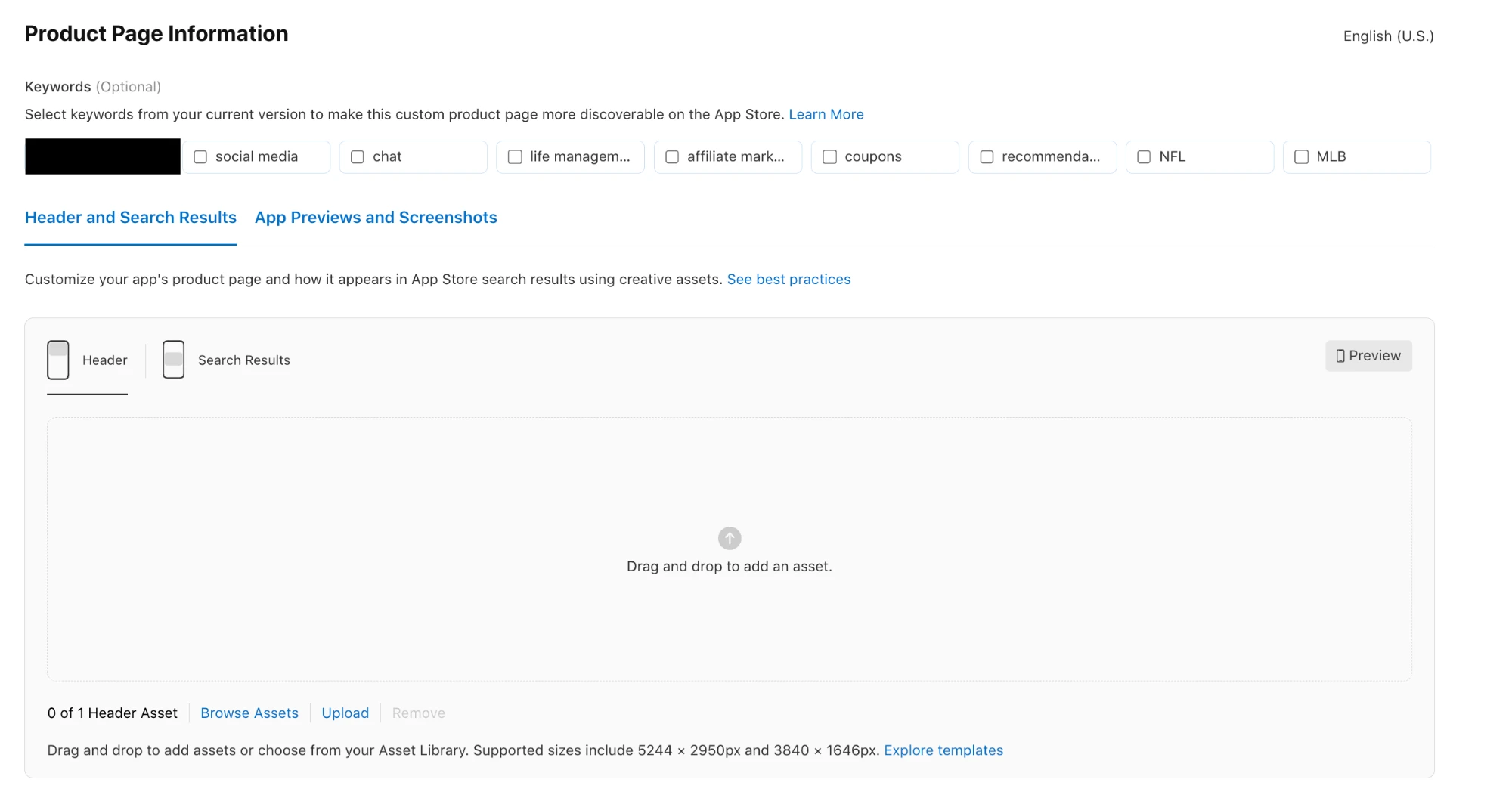
You choose the screenshots and promotional text for each version, and each page gets its own link.
Where they become powerful
The real value comes from connecting these pages to your marketing campaigns. Most apps run different campaigns that each target a different customer segment, and those segments can be very different from each other.
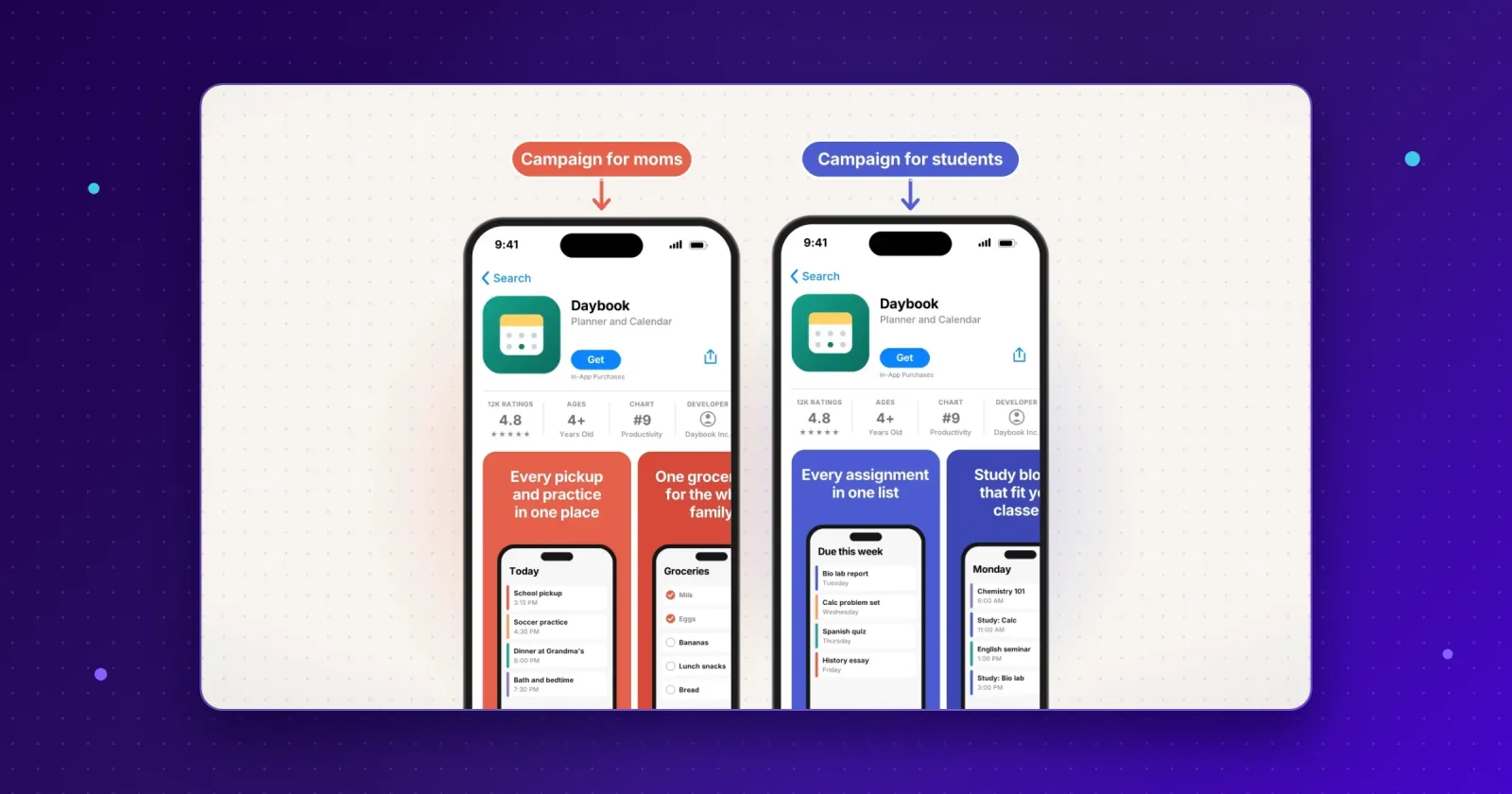
Take moms and students as an example. They are very different types of users, and the message that works for one will not work for the other. A mom wants to see how the app helps her manage school pickups and the family schedule. A student wants to see how it keeps assignments and exams in one place.
When each campaign sends people to a product page built for them, the page matches the ad they just saw. That consistency can lead to higher click-through rates and higher download rates.
Is it worth it for every team?
I don't expect every ad manager to do this. You usually want a decent marketing budget and enough campaign volume for the extra work to pay off. If you are running paid campaigns to more than one audience, though, custom product pages are worth the effort.
We can help
At Rapptr Labs, we help teams plan and build their App Store presence. If you want help deciding which audiences deserve their own page, or building the pages themselves, reach out. I'm happy to talk it through.